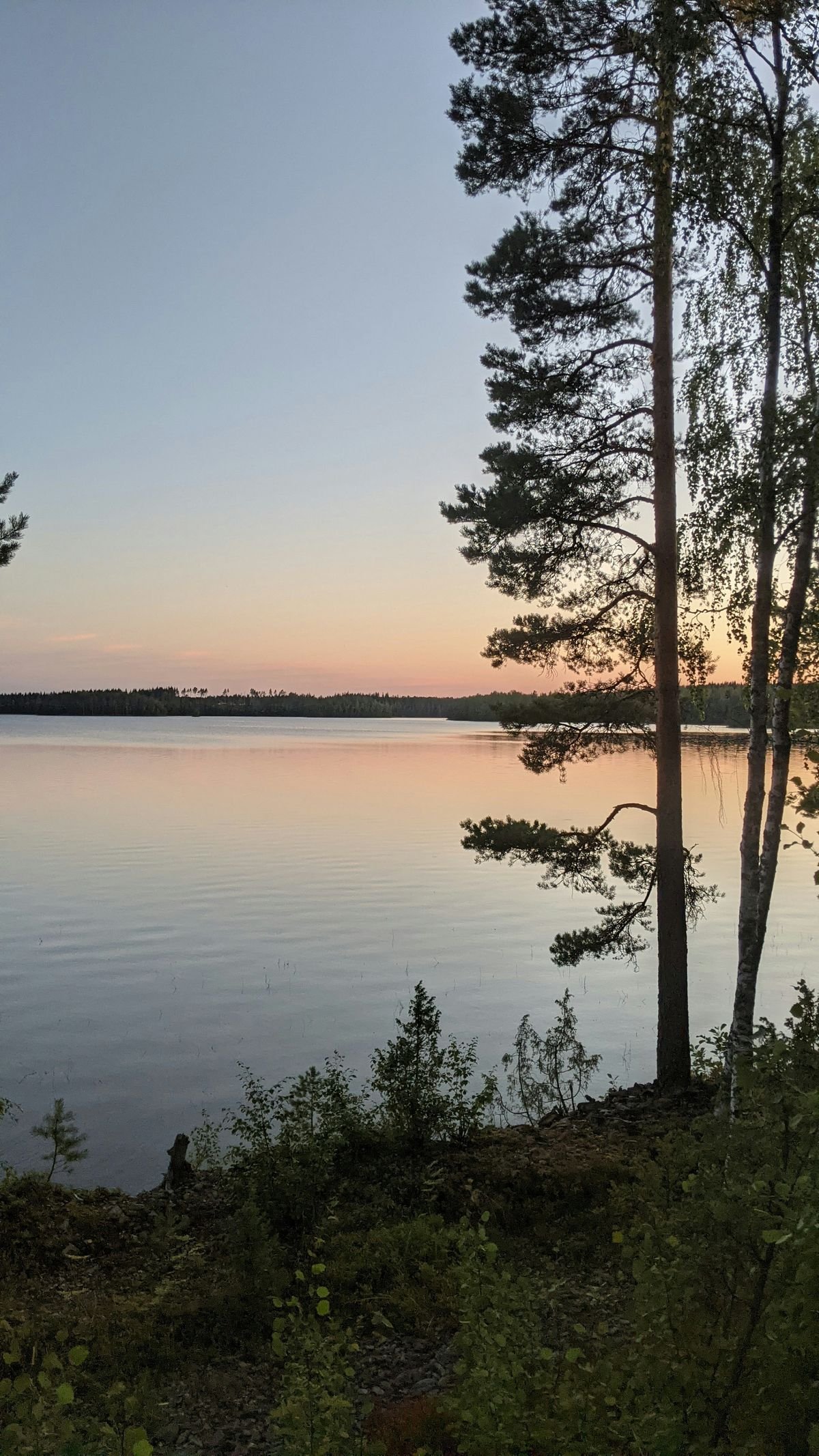

There is a moment — you will know it the instant it happens — when the heat wraps around you like a living thing, the wooden walls begin to breathe, and the outside world simply ceases to exist. The ladle tilts over the stones, and a soft hiss fills the room. Silence. Then warmth. Then something close to peace.
This is the Finnish sauna. And for over 2,000 years, it has been far more than a place to wash. It has been Finland's church, its therapy room, its living room, its delivery ward, and its most sacred shared space. To understand Finland, you must first step inside its sauna.
A Nation Built on Saunas
Finland is a country of 5.5 million people. It is also a country of roughly 3.3 million saunas. That is more saunas than cars — more than supermarkets, churches and petrol stations combined. Saunas are found in homes, summer cottages, offices, ships, sports stadiums and even inside the Finnish Parliament. When Finnish soldiers went to war in 1939, they built field saunas in the snow. A Finn without a sauna is simply not yet finished moving in.
The History of Löyly
The earliest saunas were pits dug into the earth, heated by fire-warmed stones. In medieval Finland the sauna was the most important building on any farm — often built before the house itself. Births happened there. The sick were treated there. Finnish folk wisdom said: "If spirits, tar, and the sauna cannot help, the illness is fatal."
The sauna is the poor man's apothecary. — Finnish proverb
Through centuries of Swedish rule, Russian occupation, independence and war, the sauna endured. In 2020, UNESCO added Finnish sauna culture to its list of Intangible Cultural Heritage of Humanity — a formal acknowledgement of what every Finn already knew.
Why Finnish Sauna Culture Is Different
There are saunas in Sweden, Estonia, Japan and Germany. But Finnish sauna culture is its own thing entirely. The gold standard is the wood-fired sauna — the scent of birch smoke, the crackle of logs, and the softer, wetter heat of a wood-fired kiuas that no electric heater can fully replicate. Then there is the vihta — a bundle of fresh silver birch branches, soaked in warm water and used to gently beat the skin, releasing a green forest scent into the steam.
And the lake. The cycle of intense heat followed by a cold swim — in winter, a plunge through a hole cut in the ice — is one of the most deeply satisfying physical experiences available to a human body.
Saunassa ollaan kuin kirkossa — in the sauna, one must behave as in church. — Finnish saying
Choosing Your Kiuas: The Great Finnish Stove Brands
At the heart of every sauna is the kiuas — the stove. Harvia is Finland's largest and most trusted brand, ideal for first-time buyers and holiday cottages. Narvi makes traditional cast-iron wood stoves for purists. Helo focuses on premium design and high-end electric heaters. Tulikivi works in Finnish soapstone, which radiates a gentler, longer heat. Kastor builds robust stoves with strong stone capacity for powerful löyly, IKI stacks its signature pillar heaters with hundreds of kilos of stones from floor to ceiling.
The differences come down to five things: fuel type, stone capacity (more stones means softer, wetter löyly), heat-up time, material, and design. The right stove depends on your sauna, your lifestyle and — most importantly — what kind of löyly makes your soul feel at home.
Come In. The Löyly Is Ready.
You do not need to be Finnish to love the sauna. You only need to step inside once, let the heat find you, hear the hiss of water on hot stone, and breathe. After that, you will understand everything. You will understand why, after more than two thousand years, Finns still build the sauna first.