
In Finland, wellness is not a trend — it's a way of life. And nothing captures the Finnish approach to health better than the powerful combination of sauna and avanto: the traditional ice-cold plunge taken between rounds of heat. This contrast of fire and ice has been part of Finnish culture for centuries, long before modern wellness influencers discovered cold plunges and heat therapy.
The Sauna: Where It All Begins
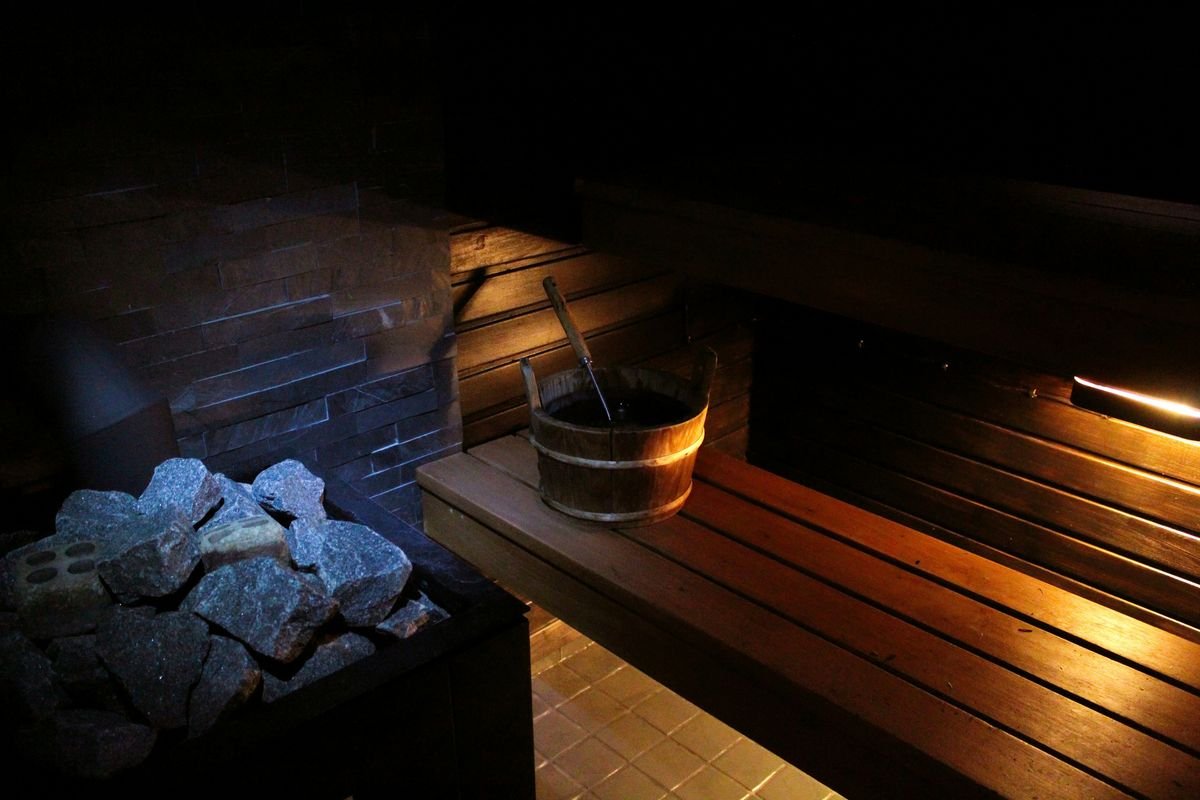
For Finns, sauna is the warm heart of the home. It's where families gather, where silence feels safe, and where the mind finally slows down. The warmth softens the body, quiets the mind and creates a space where stress simply melts away. The gentle hiss of water on hot stones, the scent of wood, and the deep silence make the sauna a sanctuary unlike any other.
Physiologically, the heat increases circulation, raises heart rate, relaxes muscles and supports recovery. Many Finns describe the sauna as a "reset button" — a moment where the body lets go of tension and the mind becomes clear. But the real magic begins when the door opens and the cold air hits your skin.
Avanto: The Cold Plunge That Awakens Every Cell
When winter arrives and lakes freeze over, the ritual becomes even more magical. A hole is cut into the ice — the avanto — and brave bathers step from the glowing heat of the sauna into the icy water. The shock lasts only a moment, but the feeling afterwards is unforgettable.
The moment your body touches the freezing water, your breath catches, your senses sharpen and your whole system wakes up. After just a few seconds, you climb out, wrap yourself in a towel and walk back into the warm glow of the sauna. Your skin tingles, your blood rushes, and a deep sense of calm washes over you. This cycle of heat and cold is one of the most powerful natural wellness practices in the world.
The Health Benefits of Contrast Therapy
Research into heat and cold exposure has grown quickly in recent years, and much of it points in a direction Finns have taken for granted for generations. The studies below are mostly small or observational, so read them as promising rather than settled.
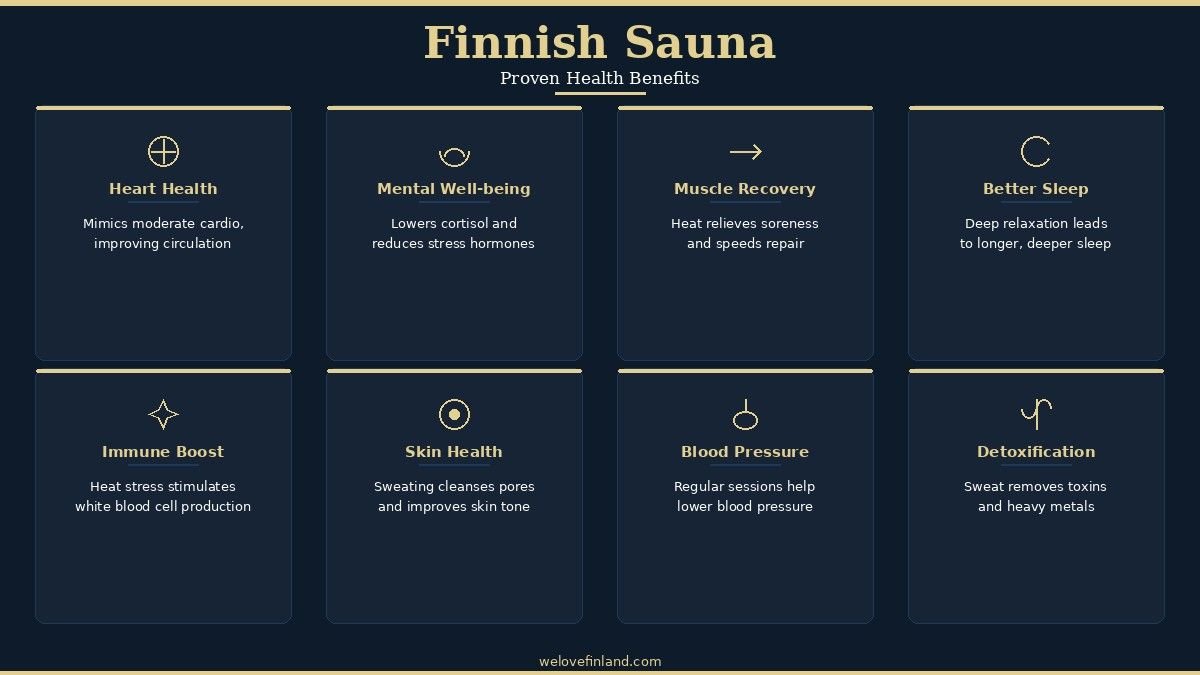
Circulation and heart health. The rapid shift from hot to cold acts like a workout for your blood vessels — heat dilates them, cold constricts them — improving vascular function and supporting long-term heart health.
Mood and stress relief. Cold exposure triggers a release of endorphins and dopamine, while sauna activates the parasympathetic nervous system. Together, they create a deep sense of calm and mental clarity.
Immune response. Some small studies have measured changes in white blood cell activity and inflammatory markers after heat and cold exposure. The findings are early and the practical effect on how often people fall ill has not been established.
Better sleep. The hot-cold cycle helps regulate the nervous system and promotes deeper, more restorative sleep — one reason many Finns sauna in the evening.
Faster muscle recovery. Athletes use contrast therapy to reduce soreness and speed up recovery. The heat relaxes muscles, while the cold reduces inflammation.
Energy and alertness. The cold plunge activates the sympathetic nervous system, giving a natural boost of energy that can last for hours.
How to Try It Safely
The Finnish method is simple: warm up in the sauna for 10–15 minutes, step calmly into the cold water for a few seconds (10–30 seconds is plenty), then return to the sauna to warm up again. Repeat 2–4 rounds, finish with a warm shower and rest. Listen to your body — the goal is not endurance, but balance.
Before you try it, the part Finns take as read. Cold water immersion puts a sudden, sharp load on the heart and on breathing. It is not for everyone. Do not take an avanto if you have a heart condition, high or unstable blood pressure, or are pregnant, without talking to your doctor first. Never go into cold water after drinking alcohol, and never alone — always with someone on the shore who can help. Enter the water calmly using steps or a ladder, keep your head above the surface, and get out well before you feel numb. If it stops feeling good, it is finished.
Sauna ja avanto eivät ole urheilua — ne ovat läsnäoloa. Sauna and avanto are not sport — they are presence. — Finnish saying
The Sauna That Makes It Possible
Not every sauna is equally suited to the avanto ritual. Because contrast therapy involves multiple rounds of heating and cooling, the stove needs to recover quickly and hold a steady, generous heat throughout. This is where stone capacity becomes critical — a kiuas loaded with heavy stones stays hot longer between rounds and delivers a softer, more enveloping löyly that the body can absorb deeply before each cold plunge.
IKI sauna heaters, handcrafted in Finland since 1997, are particularly well suited to the avanto experience. Their generous stone mass radiates a smooth, sustained heat — exactly what you want when you are warming up between icy rounds. Harvia offers reliable wood-fired and electric options for every type of sauna, from a lakeside cabin to an urban apartment. And for the full ritual, a fresh birch vihta used between rounds does wonders for circulation — the gentle tapping stimulates the skin and amplifies the contrast effect in a way that feels entirely natural and deeply Finnish.
Why This Ritual Is So Deeply Finnish
For Finns, sauna and avanto are moments of presence — moments where the world becomes quiet, where the body feels alive and the mind feels light. The combination of heat and cold is a reminder of the Nordic landscape itself: harsh winters, warm homes, deep forests and frozen lakes. It is a ritual that connects people to nature, to themselves and to a tradition that has lasted for centuries.
And now, the rest of the world is discovering why this simple Finnish practice has travelled so far beyond Finland.