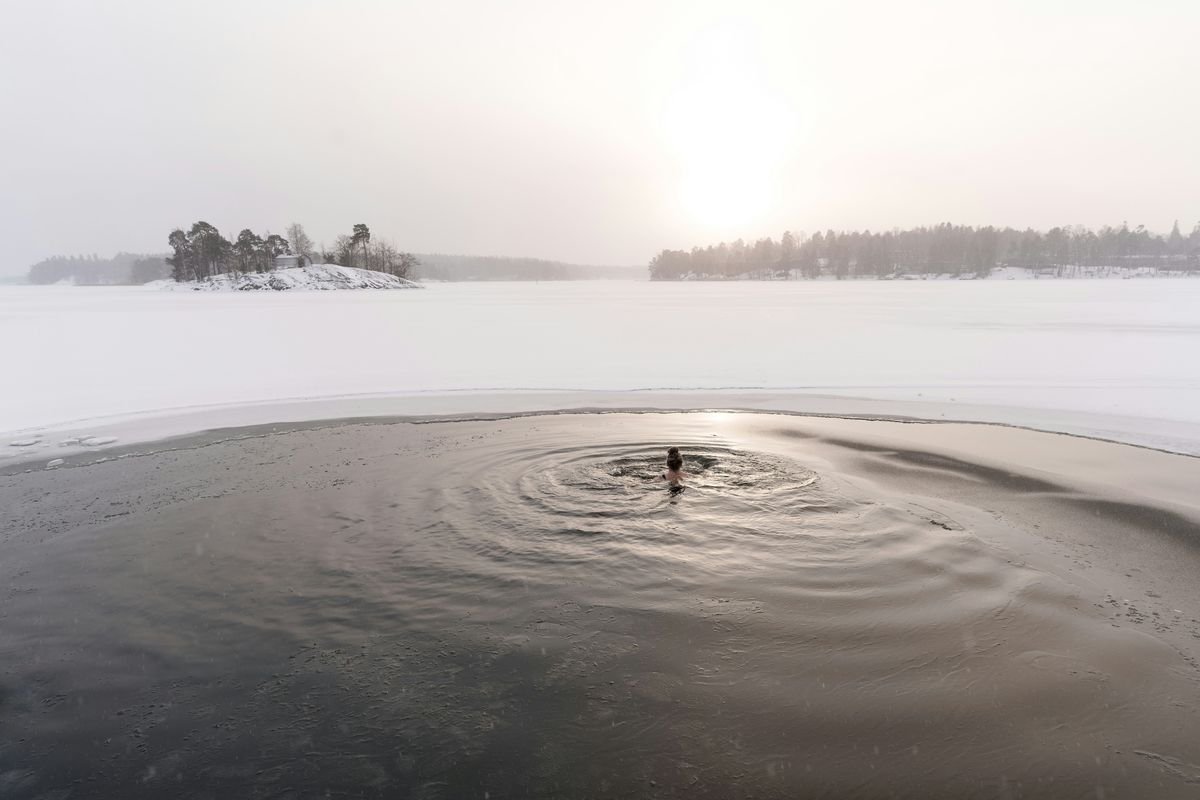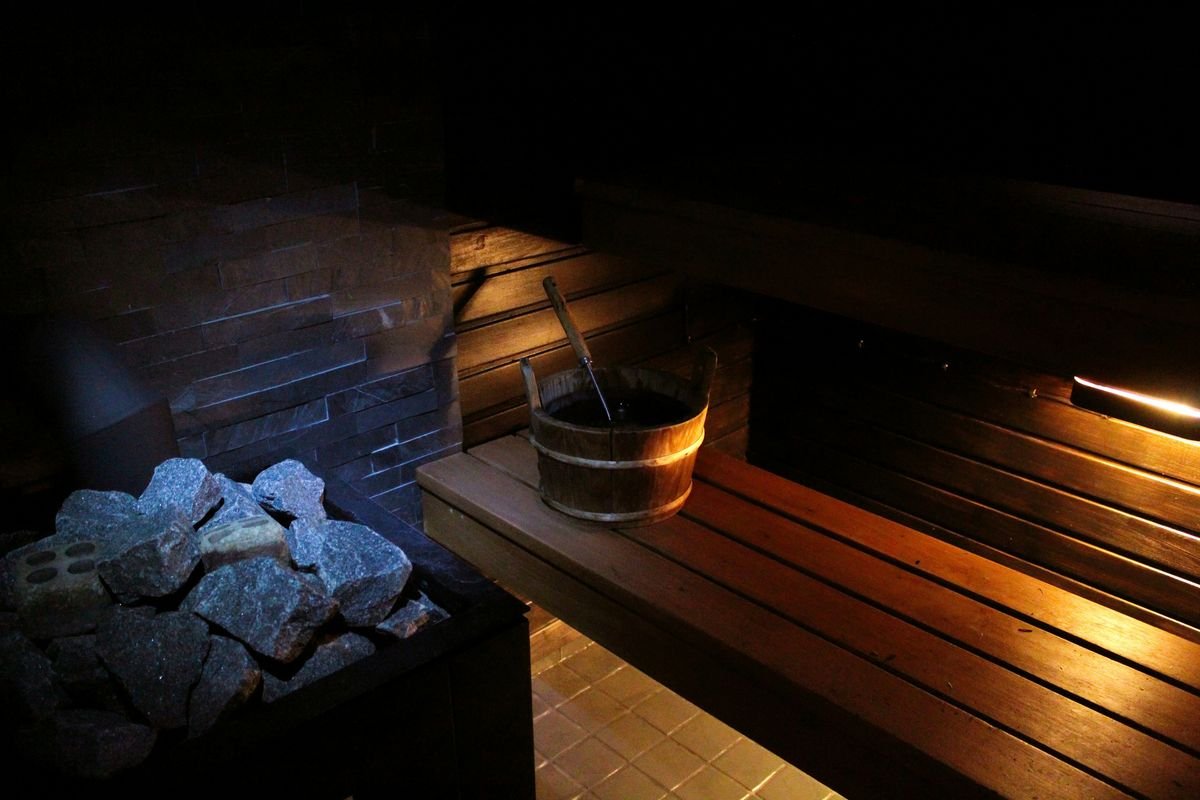

The Finnish sauna is one of the oldest and most cherished parts of Finnish culture. For centuries it has been a place of warmth, cleansing and even new beginnings. Historically, the sauna was considered the cleanest and safest room in the house — which is why women once gave birth there, and why the sick were brought there to heal.
Sauna is introduced to Finns at a very young age. Children join on the lower benches where the heat is softer. Even pets occasionally wander in, curling up on the warm wooden floor. Sauna is a shared ritual — a moment where families slow down together and friends reconnect without distractions.
More Than Heat: What Happens in the Sauna
For many, the sauna is a sanctuary of silence. The world outside fades as the heat wraps around the body, the stove crackles softly, and the gentle hiss of water on hot stones fills the air. In this quiet space, Finns often open up more easily than anywhere else. The sauna is a place where people are naked not only physically but emotionally — conversations deepen, worries dissolve, and the mind becomes lighter.
In summer, especially at the cottage, Finns prepare a saunavihta — a birch whisk made from fresh leafy branches. After soaking it in water, it is used to gently tap the skin, stimulating circulation and releasing tension. The soaking water can be thrown onto the stove to fill the sauna with the fresh, green scent of birch, a fragrance deeply tied to Finnish summer memories.
What Science Has Confirmed
Beyond its cultural significance, the sauna has been studied more closely than almost any other everyday habit — Finland, with its millions of devoted sauna users, has given researchers a remarkable natural study group. The heat increases heart rate and improves circulation in a way similar to moderate exercise. Regular sauna use has been linked to lower blood pressure, improved vascular function, and a reduced risk of heart disease. In the University of Eastern Finland's long-running Kuopio study, men who took a sauna four to seven times a week had a markedly lower risk of sudden cardiac death than those who went once a week (Laukkanen et al., JAMA Internal Medicine, 2015).
Figures from the Kuopio Ischaemic Heart Disease study at the University of Eastern Finland — Laukkanen et al., JAMA Internal Medicine (2015) and Age and Ageing (2016). These are observational findings from a Finnish male cohort: they show a strong association, not proof that the sauna itself causes the effect.
Jos ei viina, terva tai sauna auta, tauti on kuolemaksi. If spirits, tar and the sauna cannot help, the illness is fatal. — Finnish proverb
The Mind, Mood and a Better Night's Sleep
The benefits reach well beyond the body. In the same Finnish cohort, frequent sauna use was associated with a lower incidence of dementia and Alzheimer's disease (Laukkanen et al., Age and Ageing, 2016). Improved blood flow, reduced inflammation and the deep relaxation response are the mechanisms researchers propose, though the link has not been shown to be causal. Many Finns will simply tell you the sauna clears their head. Science is beginning to agree.
Sauna is one of the most effective natural stress relievers available. The heat activates the body's parasympathetic nervous system — the "rest and restore" mode — lowering stress hormones and promoting an emotional balance that is hard to manufacture any other way. The post-sauna feeling — that particular combination of calmness, clarity and groundedness — is something regular users describe as unlike anything else.
And then there is sleep. After a sauna session, the body cools gradually, mimicking the natural temperature drop that signals deep rest. Many Finns consider an evening sauna the single most reliable path to the best sleep of the week.
Recovery, Skin and Immunity
Athletes have long used sauna to support recovery, and research confirms its benefits. Heat increases blood flow to muscles, reduces soreness and speeds up recovery after intense exercise. Regular sauna use may even improve endurance by helping the body adapt to heat more efficiently.
Sauna is also good for the skin. Sweating helps cleanse pores and remove impurities, while increased circulation gives the skin a healthy, natural glow. The heat softens the skin, making it an ideal moment for gentle exfoliation or traditional birch whisk treatments.
Finally, some smaller studies point to effects on white blood cell activity and chronic inflammation, although the evidence here is considerably thinner than for the cardiovascular findings. What is beyond dispute is that many frequent sauna users simply say they feel better for it.
Choosing the Right Kiuas Makes All the Difference
Not all heat is equal. The quality of a sauna session depends greatly on the kiuas — the stove — and particularly on its stone capacity. A stove packed with heavy stones holds heat longer and releases a softer, more enveloping löyly when water is thrown. This gentler, sustained warmth is what allows the body to truly relax and the cardiovascular benefits to build over a full session.
IKI sauna heaters — handcrafted in Finland from stainless steel since 1997 — are built around exactly this principle. Their signature pillar design stacks a generous mass of stones from floor to ceiling, delivering an exceptionally smooth and lingering löyly. For those who want a powerful but authentic sauna experience, that pillar design is what sets IKI apart. Harvia, Finland's best-known sauna brand, offers electric and wood-fired options for every size of sauna, from a compact apartment bathroom to a lakeside smoke sauna. And for the full ritual experience, a good birch vihta and quality sauna accessories complete the picture — because the point of a sauna is not to rush through the heat, but to give the body the time and conditions it needs to fully unwind.
A Simple Ritual With Powerful Effects
The Finnish sauna is a rare combination of cultural heritage and modern wellness. It is a place where the body relaxes, the mind clears, and the spirit feels lighter. Whether you seek better health, deeper sleep, stress relief, or simply a moment of peace, the sauna offers a natural and time-tested path to well-being.
For Finns, sauna is not a trend — it is a way of life. And now, the rest of the world is discovering why.